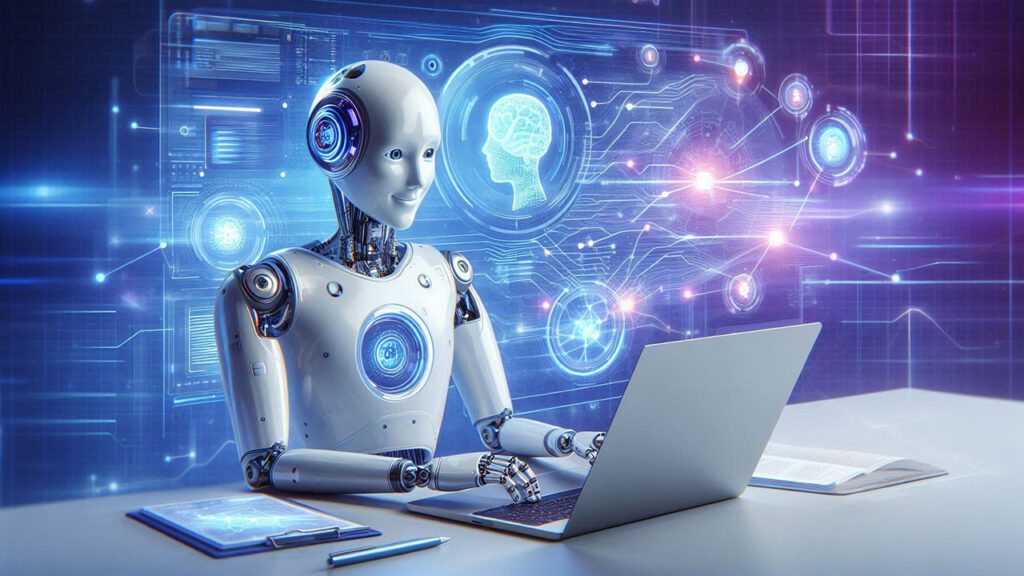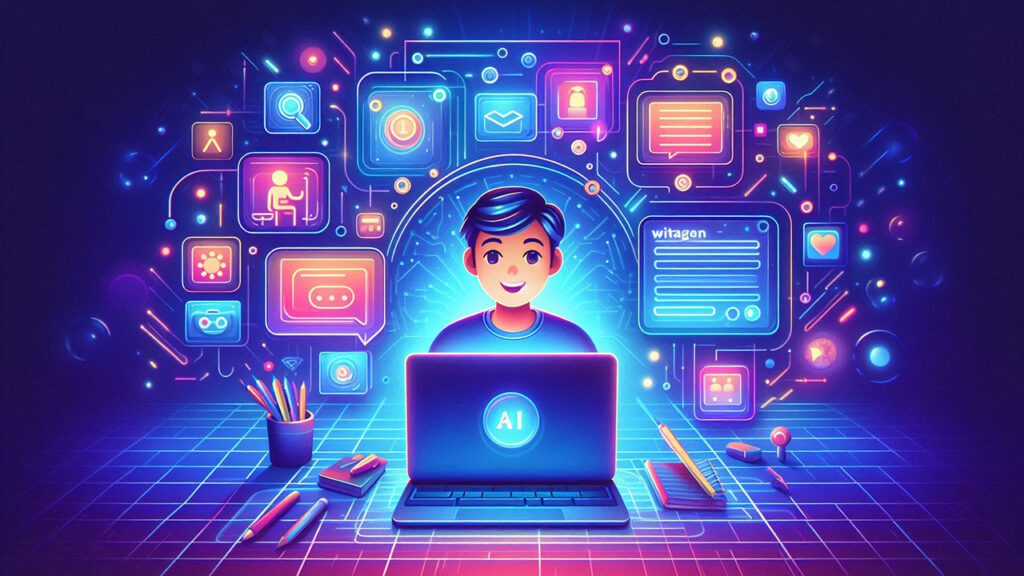

Human-AI Collaboration Tools help humans and artificial intelligence work together efficiently. They boost productivity, enhance creativity, and improve decision-making. AI is no longer just a standalone technology; its full potential emerges when humans and machines collaborate seamlessly. These tools support and enhance human skills by combining creativity, judgment, and problem-solving with AI’s speed, accuracy, and data-driven insights. By integrating Human-AI Collaboration Tools into workflows, teams can analyze data faster, automate repetitive tasks, and focus on high-value strategic work.
How Human-AI Collaboration Tools Work
Human–AI Collaboration Tools enable humans and artificial intelligence to collaborate seamlessly from the start, boosting productivity, creativity, and smarter decision-making. AI is no longer just a standalone technology; its true potential emerges when humans and machines work together. These tools assist, support, and enhance human skills by combining human judgment, creativity, and problem-solving with AI’s speed, accuracy, and data-driven insights.
For example, AI writing assistants suggest content ideas, but humans refine the message. Similarly, design tools generate layouts, while designers choose what fits best.
Why Collaboration Between Humans and AI Is Important
Pure automation often lacks context and emotional understanding. On the other hand, humans may struggle with large data sets and repetitive work. When both work together, productivity improves significantly.
As a result, collaboration-based systems reduce errors, save time, and allow professionals to focus on high-value tasks rather than routine work.
Popular Use Cases in Modern Workplaces
These tools are widely used across different industries. In marketing, AI analyzes customer behavior while humans plan campaigns. In software development, AI suggests code improvements, and developers make final decisions.
Healthcare professionals also use intelligent assistants to analyze reports, while doctors provide diagnosis and treatment plans. This balanced approach ensures accuracy without losing human control.
Key Advantages of Human–AI Collaboration Systems
One major advantage is improved efficiency. Tasks that once took hours can now be completed in minutes. Additionally, these tools support better decision-making by providing data-driven insights.
Another benefit is enhanced creativity. AI can suggest ideas that humans might overlook, leading to innovative solutions. Moreover, collaboration tools help reduce burnout by automating repetitive tasks.
Challenges and Ethical Considerations in Human-AI Collaboration
Despite their benefits, collaboration systems also present challenges. Over-reliance on AI can reduce human skills if not used carefully. Data privacy and transparency are also important concerns.
Therefore, organizations must ensure that humans remain in control and understand how AI reaches its conclusions. Ethical guidelines and proper training are essential for responsible use.
The Future of Human–AI Collaboration
Looking ahead, collaboration between humans and AI will become more natural and seamless. As interfaces improve, AI tools will better understand human intent and context.
In the coming years, workplaces will increasingly rely on these systems to boost productivity while keeping human judgment at the center of decision-making.